
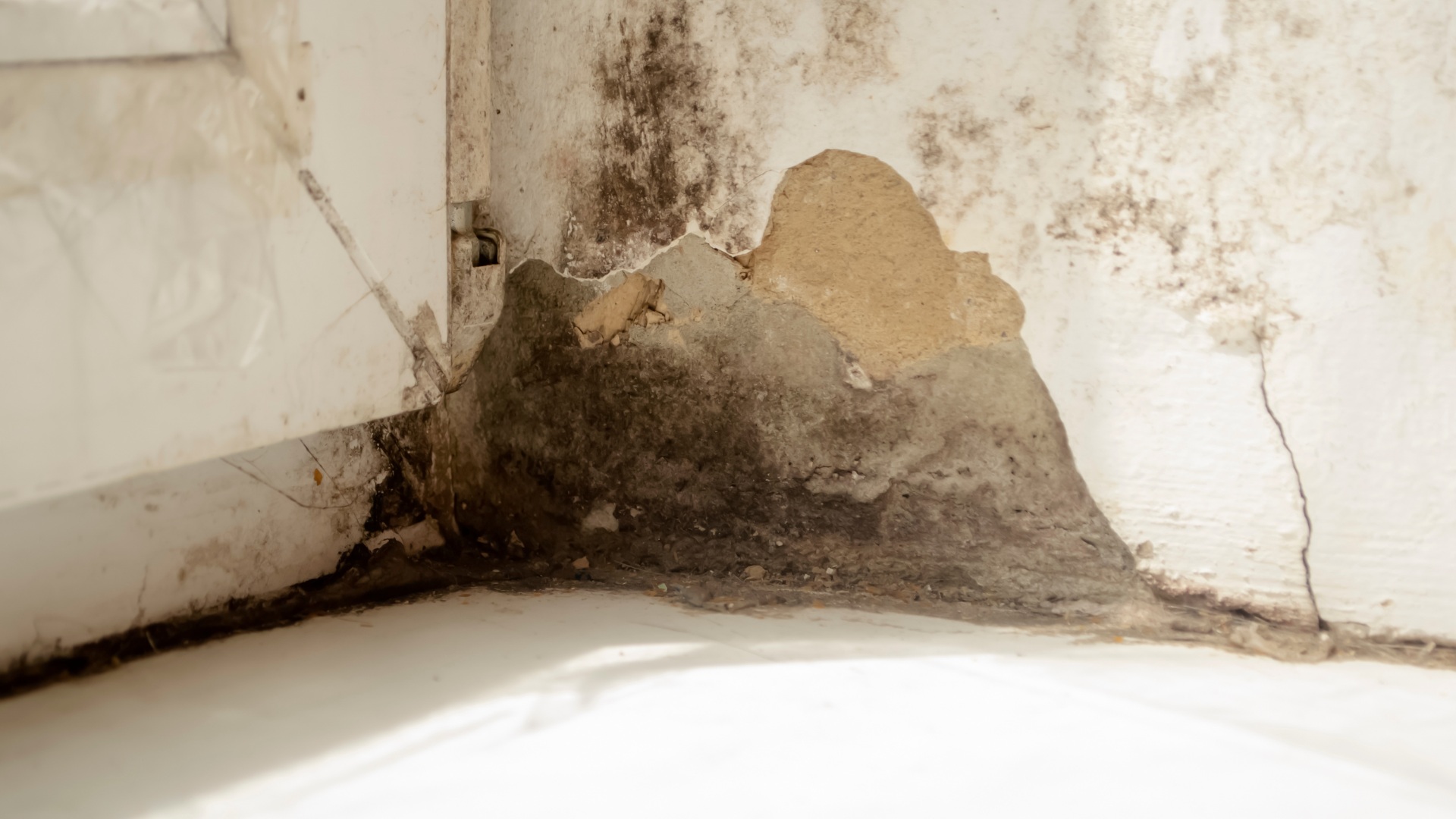
Water damage is one of those hidden threats that can sneak up on your home if you’re not careful. One small leak today can turn into a major mold issue tomorrow. Ever wonder how mold creeps into the corners of your bathroom or kitchen? It all starts with unnoticed plumbing issues. And by the time mold makes its appearance, you’re often dealing with more than just a cosmetic problem-it’s a full-on health risk.
But don’t worry! Spotting early signs and taking simple preventive measures can save you a massive headache later on.
How Water Damage Starts: Plumbing Leaks and More
Water damage doesn’t just happen overnight. It usually starts small, with things like tiny leaks in your pipes or poor drainage around your home. This is why it’s essential to implement effective drainage solutions, such as installing sump pump drainage systems in basements and crawl spaces to redirect water away from your foundation. Otherwise, these small issues give moisture a chance to build up. And where there’s moisture, mold isn’t far behind.
So, where should you keep an eye out?
- Pipes under sinks: These are notorious for slow leaks. A steady drip can easily go unnoticed if you’re not checking regularly.
- Behind appliances: Think washing machines, dishwashers, and refrigerators. A loose hose or faulty connection could be causing a mess back there without you realizing it.
- Around toilets and showers: Bathrooms are obvious culprits when it comes to leaks. Check the caulking and seals-if they’re cracked or missing, water can seep through.
- Basements and crawl spaces: These areas are naturally more prone to moisture. Poor ventilation or a hidden pipe issue can cause serious problems down here.
Given these risks, it’s crucial to call a reliable Plumber Clinton NJ (or elsewhere) at the first sign of trouble. They can quickly identify the issues before they escalate, saving you from costly repairs and extensive damage.
While some water damage is immediately noticeable, other issues develop gradually and only reveal themselves over time. So, how do you recognize the signs of water damage early on?
Signs of Water Damage You Shouldn’t Ignore
Spotting water damage can be tricky because it doesn’t always make itself obvious right away. But there are a few telltale signs that something’s not quite right. If you notice any of these signs, it makes sense to get in touch with Dallas plumbing experts who can get to the bottom of the problem for you.
Here’s what you should be looking for:
- Stains on walls or ceilings: Water stains often appear as yellowish or brownish spots. If you notice these, especially if they grow over time, you likely have a hidden leak.
- Peeling or bubbling paint: This is a classic sign of moisture building up behind the surface. It happens when water collects, causing the paint or wallpaper to lose its bond with the wall.
- Warped or sagging floors: If your hardwood or laminate floors are starting to buckle, there’s a good chance water has seeped underneath.
- Unusual odors: Mold has a distinct, musty smell. If your home suddenly smells damp, especially in places like the bathroom or basement, you might have mold hiding out.
- Sudden spike in your water bill: A sharp increase in your water usage could indicate a leak somewhere in your plumbing system. Even a small, continuous drip can add up over time.
How Mold Develops from Water Damage
When you have moisture trapped in your walls, floors, or ceilings, it creates the perfect environment for mold to thrive. Mold needs three things: moisture, warmth, and organic material (like wood or drywall). Once those conditions are met, mold can start to grow in as little as 24 to 48 hours.
That’s why it’s important not only to detect water damage early but to take immediate action. Mold isn’t just an eyesore. It can cause a whole host of health issues, from respiratory problems to allergic reactions. If someone in your household has asthma or a weakened immune system, mold can be even more dangerous.
Preventing Water Damage and Mold Growth
The good news is that preventing water damage-and by extension, mold-is well within your control. Here are five essential steps to take:
- Inspect your plumbing regularly: Check under sinks, behind appliances, and around your water heater for any signs of leaks. Fixing a small drip now can prevent bigger issues later.
- Improve ventilation: Moisture loves to linger in poorly ventilated areas, especially bathrooms and kitchens. Make sure your exhaust fans are working properly and consider opening windows to let fresh air in.
- Seal cracks and gaps: Inspect your home’s foundation, walls, and roof for any cracks where water could sneak in. Seal these areas with waterproof caulk to keep moisture out. If there are signs you have a roof leak always speak to an expert before sealing, just in case there is a bigger issue at play.
- Maintain gutters and downspouts: Clogged gutters can lead to water pooling around your home’s foundation, increasing the risk of leaks and water damage. Clean them out regularly and ensure downspouts direct water away from your house.
- Use a dehumidifier in damp areas: If your basement or crawl space tends to get humid, a dehumidifier can help keep moisture levels in check.
What to Do If You Find Mold
Let’s say you’ve done your checks, and you’ve found mold-or worse, you’re already dealing with water damage. What’s next?
If the mold is limited to a small area (less than 10 square feet), you might be able to handle it yourself using mold-killing products and scrubbing away the affected area. But if the problem is more widespread, it’s best to call in professionals. Mold can be hazardous to your health, and improper removal can cause spores to spread even further throughout your home. Companies that specialize in restoration – like Valley Fire Restoration – have the tools and expertise to safely handle larger infestations.
Still, removing the mold is only part of the solution. Addressing the source – whether it’s a plumbing leak, roof damage, or poor ventilation – is crucial to prevent the problem from coming back
Staying One Step Ahead
Water damage and mold might seem like daunting problems, but by staying proactive, you can avoid the worst of it. Regular inspections, small repairs, and maintaining a dry, well-ventilated home are key to keeping both at bay.